Reflections of Colombia
REST, RESISTANCE, AND RECOVERY
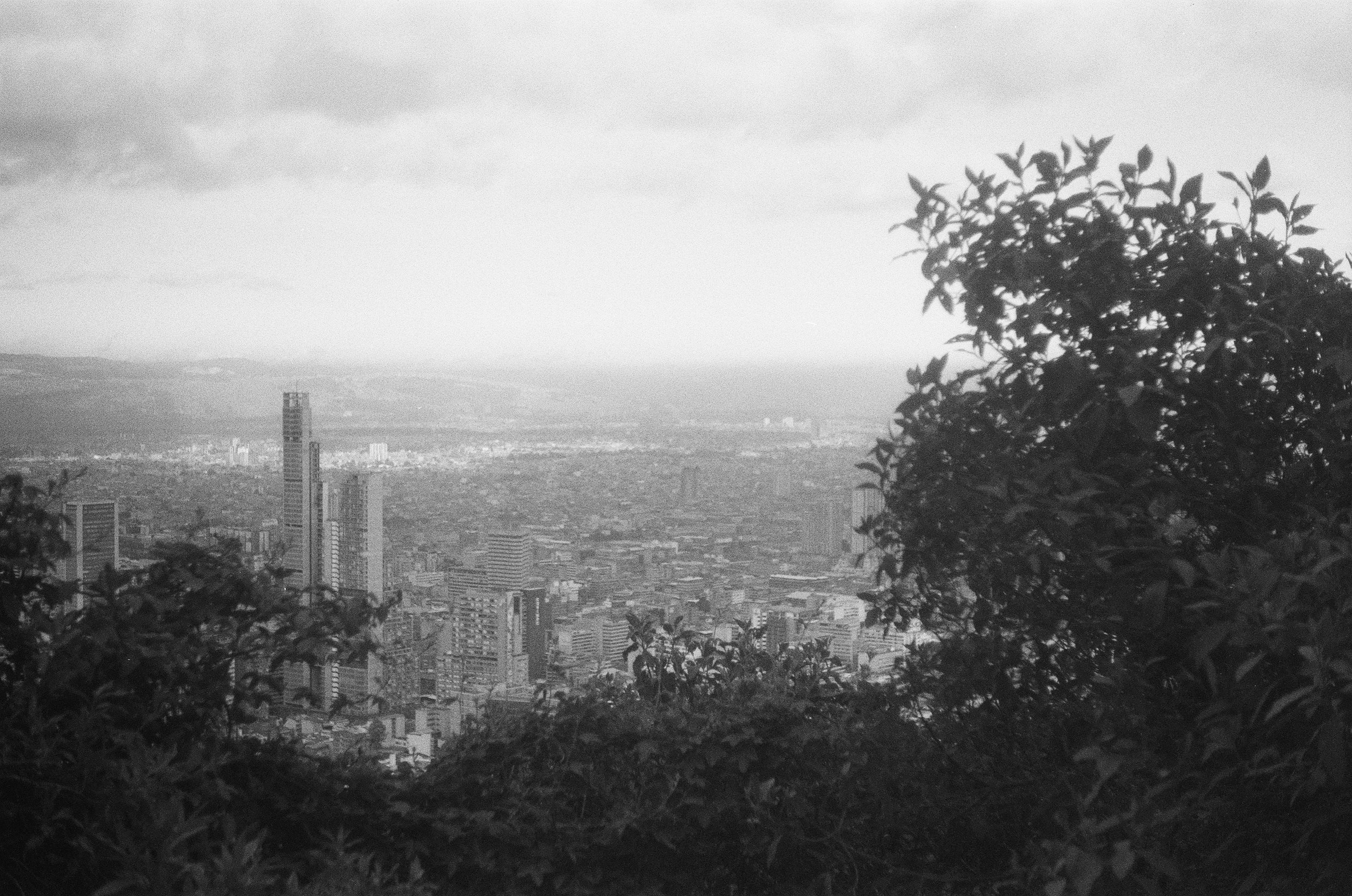
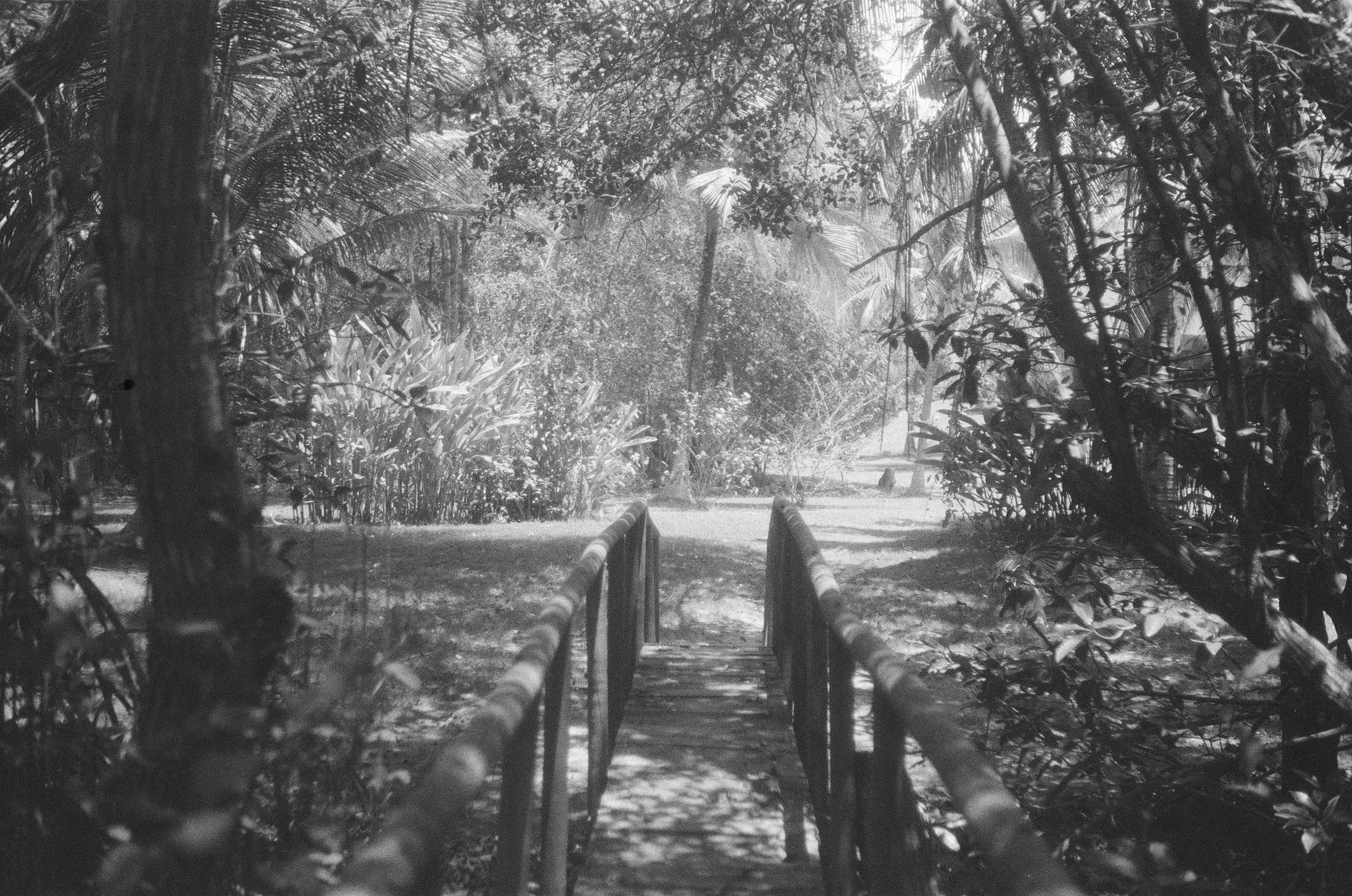
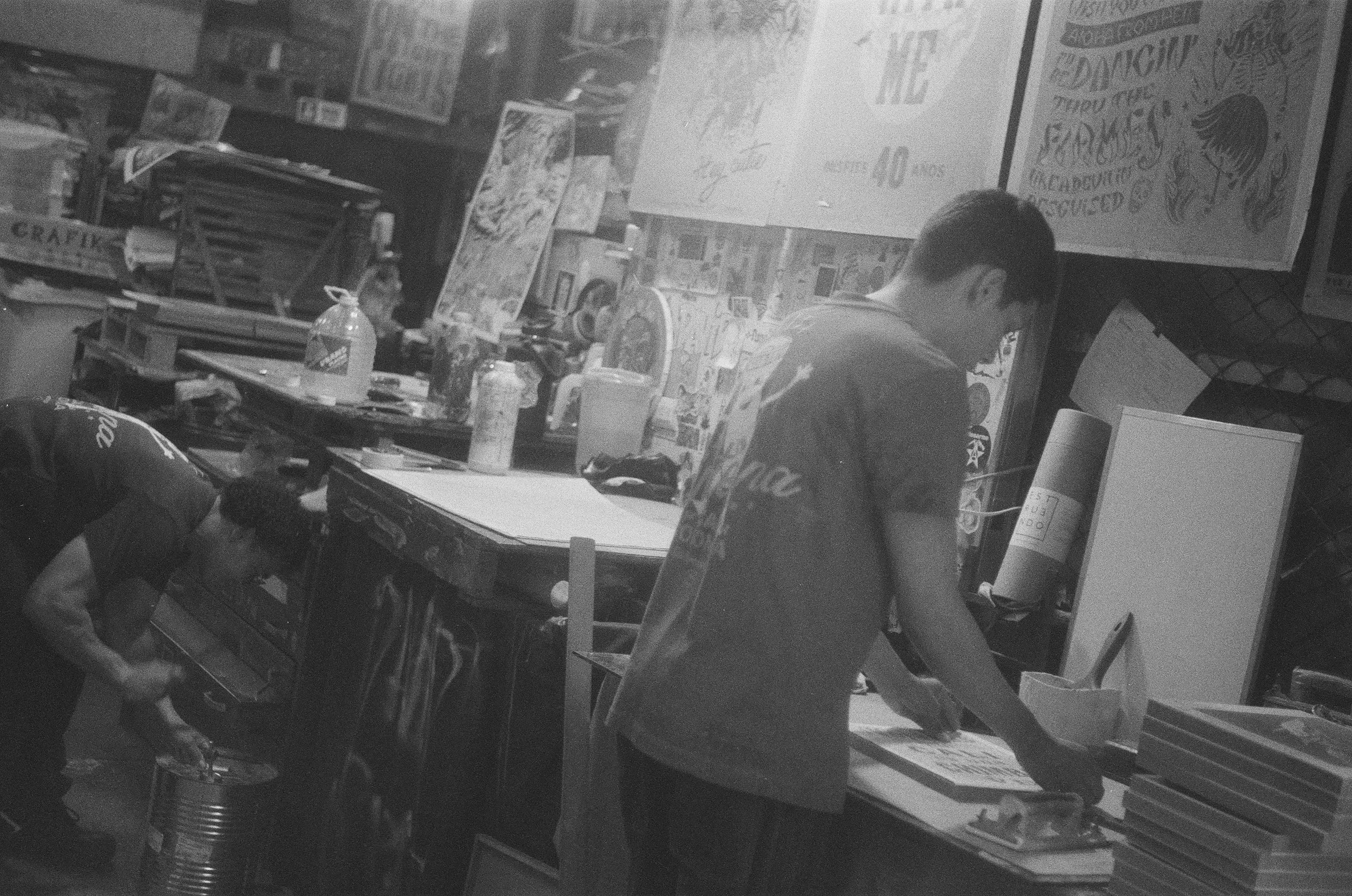
Hindsight is 20:20, I’m sure you’ve heard it said over and over again. This understanding that you don’t have the full picture until you’re wholly through a time, event, or collection of moments. And even then, sometimes your path still isn’t clear. You wait, and wonder, and begin to realize that perhaps your journey has yet to even begin.
Rest as resistance is a phrase that continues to circulate widely, a demand to denounce grind culture and take the break that our body, mind and soul so desperately need. I came to the notion of rest as resistance through American poet and performer, Tricia Hersey. In 2016, Hersey founded the Nap Ministry, an organisation that not only highlights naps as liberation, but also the healing power of “rest is resistance,” especially for Black women.
Like many, I discovered the Nap Ministry throughout the heaviest period of the COVID-19 pandemic, a time which also coincided with a massive resurgence of the Black Lives Matter movement. But why does this matter? Because Black people were dealing with an intense intersection of two pandemics, one with health and one with race. This isn’t to say that we’ve never experienced a touching of these two realms; medical racism was an all too real possibility for Black people before the pandemic, and remains one long after the world attempts to forget COVID [1]. Whether we admit it or not, 2020 forever changed us all, and for myself, it was here that my rest journey began, or so I thought.
What happened next? Well, I dove headfirst into an “enlightened” version of myself. For the first time in my adult life, aspects of my life began to align. In many ways I felt more like myself than I ever had before. I suppose that’s why it took me so long to notice other parts of myself slipping away.
In 2025, after just about half a decade of organising work, I was lightly seasoned. No, it was not my first rodeo, but I was (and remain) welcome to the opportunity to connect with and learn from other organisers, especially those seasoned differently or longer than myself. And so, when presented with the opportunity to attend a Central American conference on the state of democracy being under attack across the Americas, I didn’t hesitate [2]. During the conference I met some of the most empowering organisers of my life. It was here that I was connected with women from Artemisas, a Colombia-based “feminist organisation for democratic innovation and political advocacy” (their words hopefully well enough translated here).
We ate, drank and danced together, becoming connected in numerous ways. It was then that they presented me with the opportunity of a lifetime, an invitation to participate in a month-long political art residency in Colombia.
The offer was tantalising, but I was admittedly nervous to accept. Could I afford the time away? Would I be safe in this place I had never visited, let alone knew next to nothing about? But above all, I kept asking myself, why me? Did I have what it took? Were my experiences that valuable? I guess I’d have to find out. So, after a few email exchanges and video chats, my nerves calmed, and before I knew it, I was Bogota-bound.
I arrived bright eyed and curious, into the organisers open arms. Was there a bit of a language barrier? Sure, but the efforts being made were very encouraging. Typically with this kind of endeavour, you hit the ground running. But we didn’t. We eased ourselves into the programming gently with care. While the content was incredibly valuable, so was the method in which this residency took place. We often had mornings or afternoons off, options between activities, and if our lives back home beckoned us, there was an innate understanding that some events would have to be missed.
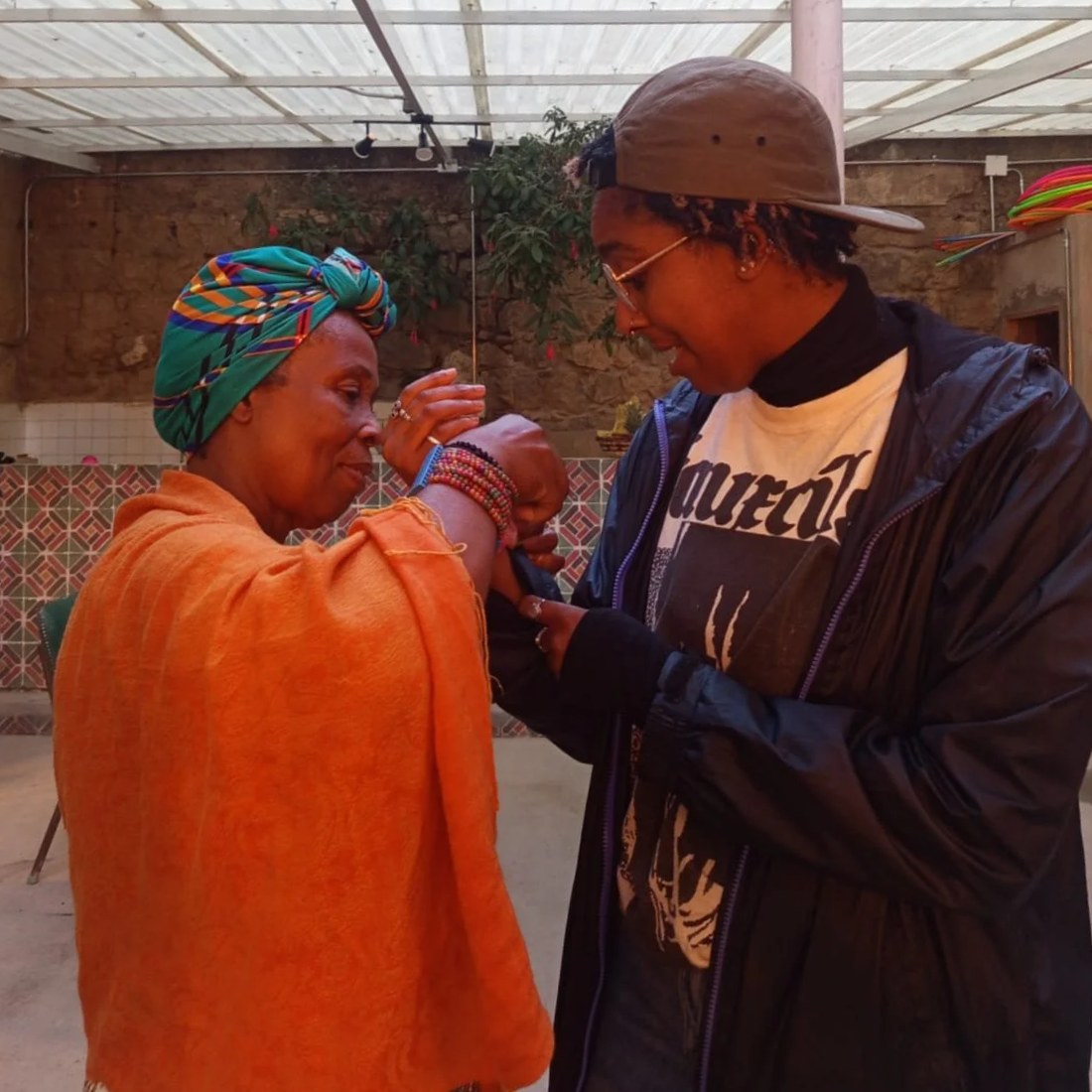
One afternoon we met at Casa B, a community collective that still has me bewildered. This space offers arts programming, community meals and gardens, residencies, and so much more. As we sat around a table filled with artists, activists, and community members, though we all didn’t all share a language, we shared a sentiment. Everyone was welcomed, and everyone deserved care. Abuela Diara, an Afro-Colombian elder shared knowledge, sang and guided us in so many ways. At the end of our time she gifted us with precious items from her work. As she carefully tied a dyed fish scale bracelet on my wrist it dawned on me, this was care. I was held.
This realization of being held came to me not then, but now, months later after returning and falling back into the burnout loop with which I have become all too familiar. While I understood the notion of rest as resistance, I was in no way embodying that my rest is resistance. Before I ventured to Colombia, I was burnt out, overwhelmed by late stage capitalism, ongoing world crises, family, school, organizing work, among so much else. My mental health was quivering under the pressure and ready to collapse at a moment's notice. But, it didn’t. Not then at least. Why?
Because in Colombia I was cared for. I was fed, put up in hostels and hotels, driven around, and valued, not just as a Black activist, or artist, but as a human. My brain, once riddled with chaos, calmed. Artemisas gave me a month outside of precarity, a month to just focus on myself, my work, and actually engage in this residency. Artemisas gave me the opportunity to rest, and for that I am eternally grateful. They reminded me that through mutual aid we can provide for one another, and resist the trope of the perpetually burnt out organiser. But, when I returned, I fell back into my day to day almost immediately and before long rejoined the loop. Except this time it was different. Opened up by all the generative discussions, and the possibilities we had imagined, I returned more pensive, fragile even. Though I’d left the country, I’d far from left Colombia behind.
Throughout those weeks away we’d spoken a lot about resonances and dissonances in our work. What stayed with me was how we must show up for one another in the face of adversity, how we need to prioritize care, and how we cannot and should not operate from a place of exhaustion. How can we fight the good fight when we’re running on empty? We can’t. And so, in early February 2026 when my carefully planned Black History Month getaway was suddenly called off, I came unglued to say the least.
You see, since embarking on this activist journey I have struck a very delicate life balance. I’d work myself to the brink, have a mild crashout, take a pause, and get back to it again. But this time the crash felt different. This time I hit rock bottom with an audible thud. This time I didn’t want to get back up again, and that’s how I knew something was meant to change. While contemplating where to go next I revelled in the silence, in the peace, in my rest. I thought back, tried to remember a time when I was not a cog in the capitalist machine scrambling to achieve deadlines and show up for everyone and everything.
When I came to this work in 2020, it was all about the community, and it still is. But, at what cost? How can I show up for others when I can barely show up for myself? As I sat and pondered, I was reminded of this piece I was meant to write so long ago, summarizing my time in the residency. At first, I didn’t know what to say, where to begin, I mean it had been so long. But as I breathed, mind slowly clearing, I was brought back to the ease of my life in Bogota, a time where I was taken care of and stress melted off me like the coming of spring. I saw the shores in Santa Marta, smelled the salty sea, and was at peace as the waves washed over my feet. I felt my body moving to the powerful sounds of Afro-Colombian music as I danced day after day at the Petronio Alvarez Festival.
And so I began to write. Not forcefully all at once, but gingerly taking it one word at a time, day after day, putting no pressure on myself aside from the commitment to ask myself whether I could write, not if I should. And this is what has come to me, the realization that while preaching rest as resistance, I was not living it. But, there was a brief time that I had embodied it, letting the world around me keep turning while I moved at my own pace. That time was Colombia, and that is what resonates with me to this day. The residency, the people, the culture, they held me, surrounded me in warmth and breathed a life of rest into me, a life that I still carry with me to this day. As I embark on my recovery, so many memories of Colombia have flooded back to me, holding me now as tightly as they once did. My rest is resistance, and the more I embrace this, the more the lost pieces of me seem to be coming back home. So, as I continue to build myself back up, above all I’ve realized that this journey has barely just begun.
[1] Though some seek to ignore the remnants of COVID-19, this illness remains an active medical concern, particularly for immunocompromised individuals, newborns, elderly, and those in contact with highly affected communities. Mask up and keep your vaccinations up to date.
[2] While this time was more invigorating than I could have ever imagined, in this journey of rest as resistance, my time in Guatemala is only a stopover for the next destination, Colombia.
“Las cosas podían haber sucedido de otra manera y, sin embargo, sucedieron así.”
— El camino, Miguel Delibes
(Things could have turned out another way and, however, they happened this way.)IMAGE CREDITS
ABOVE: Ra’anaa Yaminah Ekundayo, Reflections of Colombia 1-3, August 2025, 35mm Film, Bogota, Santa Marta and Cali, Colombia.
BELOW: Residency Comrade, Abuela Diara & Ra’anaa, August 2025, Digital Image, Bogota, Colombia.
